
The Science Bridge Initiative: Preparing Minds, Not Just Grades
Program Overview
Research-focused learning through simulations, data analysis, and guided scientific challenges that bring science to life
This program moves beyond conventional lecture-based instruction to focus on deep conceptual understanding, applied reasoning, and interactive learning. Through high-quality videos, simulations, case studies, and project-based analysis, students engage with advanced scientific concepts in a meaningful and structured way.
Learning Method
Learn Science the Way Scientists Do
Explore Real Scientific Problems
Engage with authentic challenges using structured inquiry
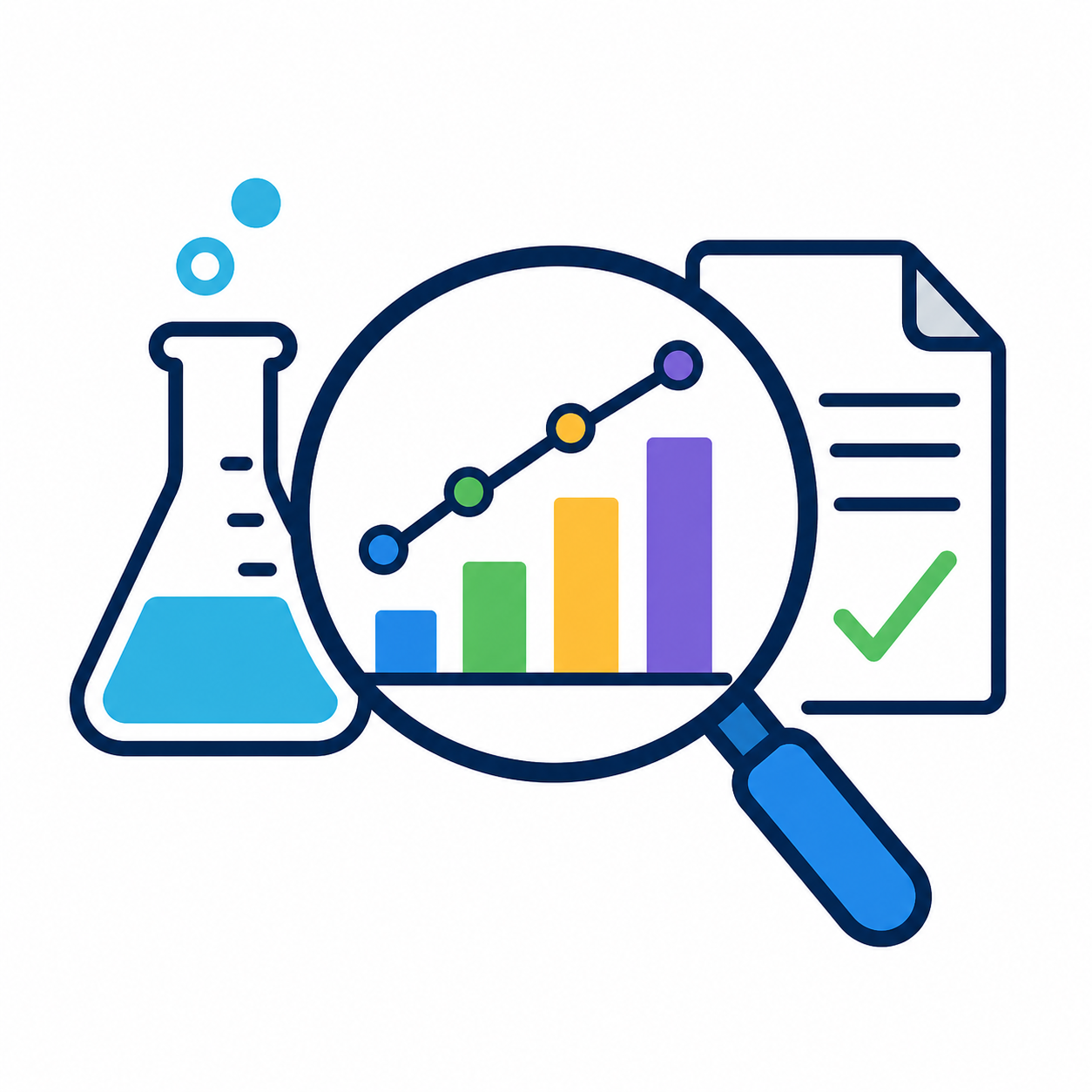
Analyze Data & Evidence
Interpret experimental results and real-world datasets

Understand Modern Research Methods
Learn how hypotheses are formed and tested
Communicate Scientific Thinking
Present conclusions with clarity and reasoning
Our Method
Interactive, Structured, and Insight-Driven
Students work through guided simulations, visual models, and expert-led walkthroughs that bring complex scientific ideas to life. Virtual lab environments and digital tools allow students to explore, analyze, and understand how modern research is conducted.
This approach builds discipline, curiosity, and analytical rigor, key traits for future scientists and innovators.
Program Pillars
Simulations · Case Studies · Research
Expert-led instruction
Guided simulations & walkthroughs
Virtual lab environments
Case-study analysis
Cutting-Edge Fields
Explore Cutting-Edge Scientific Fields
All topics are taught through structured instruction, simulations, and real-world case examples, taking advanced science accessible and understandable.
Few topics listed below and many more interesting topic
Genomics & Proteomics
Pharmacogenomics
Systems Biology
CRISPR & Gene Editing
Synthetic Biology
Cell and Gene Therapy
Molecular Diagnostics
Cancer immunotherapy
Biotechnology
Bioinformatics
AI in Drug Discovery
Nanotech & Nanomedicine
Building the Foundation for Future Innovation
Early exposure to research-oriented thinking helps students develop the core skills behind scientific discovery and innovation.
☑️ Ask meaningful scientific questions
☑️ Evaluate evidence critically
☑️ Apply logical reasoning
☑️ Draw data-driven conclusions
What Students Gain
💡 Deep understanding of modern scientific concepts
📊 Strong analytical and critical thinking skills
🚀 Confidence in approaching complex problems
🧩 Exposure to real-world research frameworks
🎓 Preparation for advanced academic and research pathways